Minerals are key nutrients that your body requires to function. They affect various aspects of bodily function, such as growth, bone health, muscle contractions, fluid balance, and many other processes.
However, many are difficult for your body to absorb. That’s why chelated minerals, which are supplements touted for improved absorption, have gained interest recently. Trace Minerals For Pigs
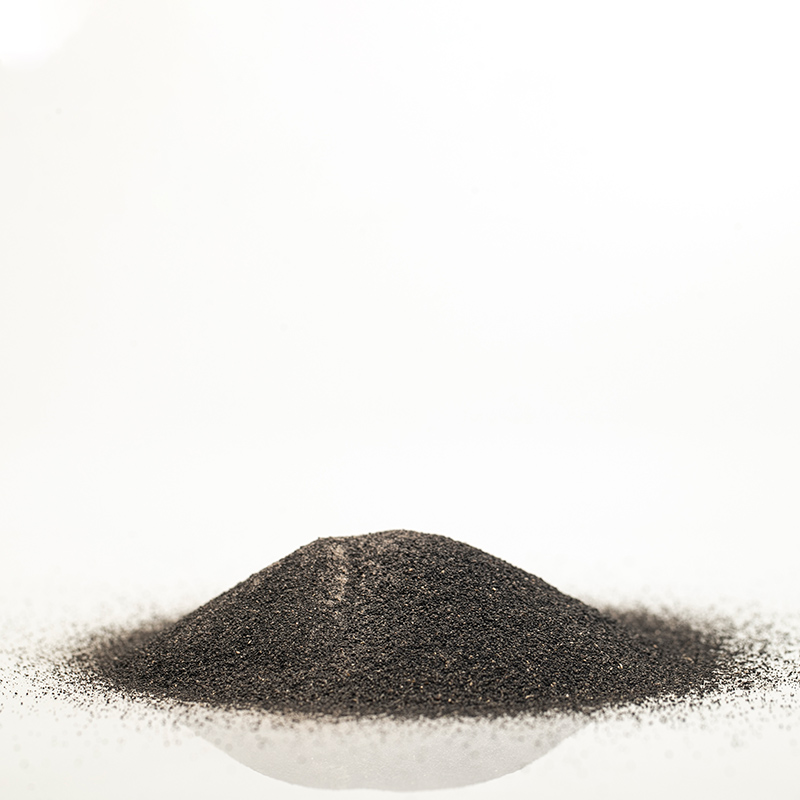
Chelated minerals are bound to compounds like amino or organic acids, which are meant to boost your body’s uptake of the mineral at hand.
This article explains whether chelated minerals are effective.
Minerals are a type of nutrient that your body needs to function properly. As your body cannot produce minerals, you must obtain them through your diet.
Yet, many are difficult to absorb. For example, your intestine may only absorb 0.4–2.5% of chromium from food (1).
Chelated minerals are meant to boost absorption. They’re bound to a chelating agent, which are typically organic compounds or amino acids that help prevent the minerals from interacting with other compounds.
For example, chromium picolinate is a type of chromium attached to three molecules of picolinic acid. It’s absorbed through a different pathway than dietary chromium and appears to be more stable in your body (2, 3).
Chelated minerals are minerals bound to a chelating agent, which is designed to enhance their absorption in your body.
Most minerals are available in chelated form. Some of the most common include:
They’re typically made using an amino or organic acid.
These amino acids are commonly used to make mineral chelates:
Organic acids used to make mineral chelates include:
Chelated minerals are usually joined to either organic acids or amino acids. Most mineral supplements are available in chelated form.
Chelated minerals are often touted as having better absorption than non-chelated ones.
Several studies have compared the absorption of the two.
For example, a study in 15 adults found that chelated zinc (as zinc citrate and zinc gluconate) was absorbed around 11% more effectively than non-chelated zinc (as zinc oxide) (4).
Similarly, a study in 30 adults noted that magnesium glycerophosphate (chelated) raised blood magnesium levels significantly more than magnesium oxide (non-chelated) (5).
What’s more, some research suggests that taking chelated minerals may reduce the total amount you need to consume to reach healthy blood levels. This is important for people at risk of excess mineral intake, such as iron overload.
For example, in a study in 300 infants, giving 0.34 mg per pound of body weight (0.75 mg per kg) of iron bisglycinate (chelated) daily raised blood iron levels to levels similar to those caused by 4 times that amount of iron sulfate (non-chelated) (6).
Yet, not all studies give the same results.
A study in 23 postmenopausal women showed that 1,000 mg of calcium carbonate (non-chelated) was more rapidly absorbed and raised blood calcium levels more effectively than the same amount of calcium citrate (chelated) (7).
Meanwhile, a study in pregnant women with iron deficiency found no significant difference in blood iron levels when comparing chelated iron (ferrous bisglycinate) with regular iron (ferrous sulfate) (8).
In general, animal studies indicate that chelated minerals are absorbed more effectively (9, 10).
However, these findings should be interpreted with caution, as animals have significantly different digestive tracts than humans. These differences can affect mineral absorption.
Given that the current research is mixed, more research on chelated minerals is needed.
Current research provides mixed results on whether chelated minerals are absorbed better than regular minerals. More studies are needed before one can be recommended over the other.
In some situations, taking the chelated form of a mineral may be more suitable.
For instance, chelated minerals may benefit older adults. As you age, you may produce less stomach acid, which can affect mineral absorption (11).
Because chelated minerals are bound to an amino or organic acid, they don’t require as much stomach acid to be efficiently digested (12).
Similarly, people who experience stomach pain after taking supplements may benefit from chelated minerals, as they’re less dependent on stomach acid for digestion.
Nonetheless, regular, non-chelated minerals are sufficient for most adults.
Plus, chelated minerals tend to cost more than non-chelated ones. If cost is a concern for you, stick with regular mineral supplements.
Keep in mind that mineral supplements are unnecessary for most healthy adults unless your diet doesn’t provide enough to meet your daily needs. In most instances, mineral supplements aren’t a suitable replacement for dietary mineral intake.
Still, vegans, blood donors, pregnant women, and certain other populations may benefit from regularly supplementing with minerals.
If you plan on taking chelated minerals, you should speak with a healthcare professional beforehand.
Some individuals, such as older adults and those who have difficulty tolerating regular supplements, may benefit from chelated minerals.
Chelated minerals are those bound to a chelating agent, such as an organic or amino acid, to improve absorption.
Though they’re often said to be absorbed better than regular mineral supplements, the current research is mixed.
For certain populations, such as older adults and those with stomach issues, chelated minerals are a suitable alternative to regular minerals. However, for most healthy adults, there’s no need to choose one over the other.
Last medically reviewed on May 20, 2020
Our experts continually monitor the health and wellness space, and we update our articles when new information becomes available.
Chelated zinc is a zinc supplement that's more easily absorbed by your body for vital health support. Learn about its benefits, how much to take, and…
Your body requires many minerals to function properly. Learn how mineral deficiency occurs and how it’s treated.
Chelation therapy removes heavy metals from the bloodstream. It’s a very effective treatment for heavy metal poisoning. But can it also treat heart…
Aging is linked to nutrient deficiencies, so it's especially important to eat healthy as you get older. Here's how your nutritional needs change with…
No matter how healthy your diet, sometimes you need an extra boost. Read about the top supplements and vitamins for bone health that you should…
The little-known mineral molybdenum is actually an essential nutrient that you need to get from the diet. Learn more about this nutrient and its…
Prenatal nutrition can be confusing. This article explains which supplements are believed to be safe during pregnancy and which ones you should avoid.
Mineral water is bottled at its source and can be high in several essential minerals. This article explains everything you need to know about mineral…
Vitamin and mineral supplements do not prevent death or chronic diseases, according to a new scientific article, but some groups can still benefit.
Organic Trace Minerals For Poultry Turmeric has been used in Ayurvedic medicine to treat various conditions. Here's what you should know about its benefits, dosage, and adverse effects…